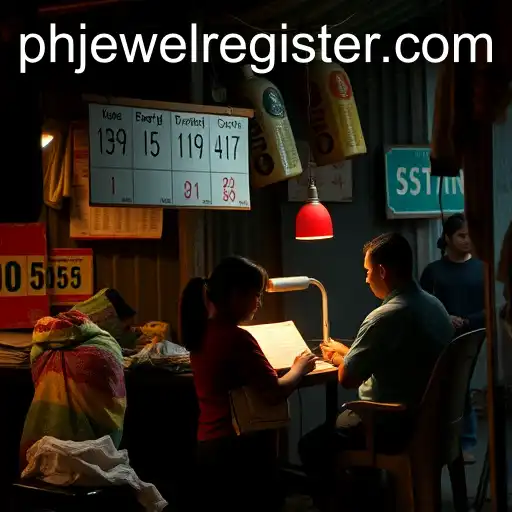
Understanding Jueteng: The Cultural and Economic Impact in the Philippines
Jueteng is an illegal numbers game that has entrenched itself in the cultural and economic fabric of the Philippines. For decades, this underground lottery has thrived despite the government's efforts to combat its operations. Often described as a "poor man's game," jueteng is pervasive in many Filipino communities, transcending socio-economic boundaries and playing a significant role in shaping local economic dynamics.
The Origins of Jueteng
The origins of jueteng can be traced back to the Spanish colonial era, when it emerged as a simple numbers game aimed at providing entertainment and potential monetary rewards. The game's format is relatively straightforward: Players choose two numbers from a set, and draws are held to determine winners. Despite its simplicity, jueteng has become deeply embedded in Filipino society, evolving over time into a widespread phenomenon.
The Mechanics of Jueteng
The mechanics of jueteng are deceptively simple. Players place bets on a combination of two numbers ranging from 1 to 37 or 1 to 38, depending on local variations. A small crew, called "cobradors," collects bets from players in the community, while the "capitalist" or "kapitalista" funds the operation and pays out winnings. The winning numbers are drawn twice a day, generating significant anticipation and participation among bettors. Payouts vary, but winners can expect to receive a multiple of their original bet, often leading to communal excitement and encouragement to partake.
The Socio-Economic Impact
Jueteng's continued popularity is intrinsically linked to its socio-economic impact. For many impoverished Filipinos, the game represents a low-entry way to potentially increase their financial standing, however minimal the returns. The allure of walking away with even a small cash prize offers hope and temporary relief from the daily grind of poverty.
Conversely, the costs of participating in jueteng can exacerbate poverty. Many players are low-income earners who risk essential portions of their finances in hopes of winning. With the odds stacked against them, these bets rarely result in valuable returns, leading to a vicious cycle of gambling and debt in some cases.
Jueteng and Local Economies
Despite the financial risks to individual bettors, jueteng contributes to local economies in unconventional ways. The informal economy sustained by jueteng generates employment for a significant number of people, including "cobradors," "kabo" or coordinators, and "kapitans," who govern the area-based operations. It is a livelihood for many who might otherwise struggle to find jobs in formal sectors.
Moreover, funds generated from jueteng are often redistributed through community channels, sometimes providing financial assistance to local projects or individual families in need. This pseudo-charity aspect can garner community support for jueteng operators, further entrenching the game within the social fabric.
Efforts to Curb Jueteng
While jueteng continues to thrive, various efforts have been made to curb its operations. Government agencies and law enforcement have launched repeated crackdowns, yet the game persists, largely due to its adaptability and community entrenchment. Authorities face challenges in dismantling jueteng networks that are well-organized and often shielded by systemic corruption.
One notable attempt to legally combat jueteng came with the establishment of the Philippine Charity Sweepstakes Office (PCSO) and its legal counterpart, the Small Town Lottery (STL), intended as a legitimate alternative to jueteng. However, implementation challenges mean STL has yet to fully replace its illegal counterpart, as enforcement remains inconsistent and lacks community engagement.
Cultural Acceptance
Cultural acceptance is a significant factor in the resilience of jueteng. Many Filipinos perceive it as an integral cultural practice rather than outright illegal activity. The game is often deeply intertwined with local festivals and rituals, making it not only an economic activity but also a shared cultural experience. The authorities struggle to diminish its widespread acceptance and appeal when its status is upheld by traditional livelihoods and social bonding.
To address jueteng effectively, comprehensive strategies that integrate cultural sensitivities and economic realities are required. These efforts involve understanding its multimodal impact on communities and developing inclusive economic policies that provide viable alternatives for individuals relying on jueteng revenue.
The Future of Jueteng
The future of jueteng in the Philippines remains uncertain. While technological advancements and increased connectivity could present new opportunities for law enforcement to crack down on illegal gambling, they also offer jueteng operators new ways to adapt and thrive. Remote betting mechanisms and other innovations pose fresh challenges for regulators attempting to eliminate jueteng entirely.
In tandem with enforcement, emphasis on legal gaming alternatives and economic reforms presents a possible path forward. Creating opportunities within legitimate employment sectors and ensuring better access to social services could steer Filipinos away from reliance on jueteng, though it's a slow, long-term solution requiring concerted effort across multiple fronts.
Ultimately, addressing jueteng demands a holistic approach that transcends simple prohibition. Embracing cultural, economic, and social nuances is critical in shaping sustainable solutions that resonate with communities impacted by this deeply rooted game, ensuring it is not only curtailed but replaced by positive alternatives benefiting all Filipinos.